Free shipping with coupon code FREESHIP26


SWEET ITCH – THE FULL STORY
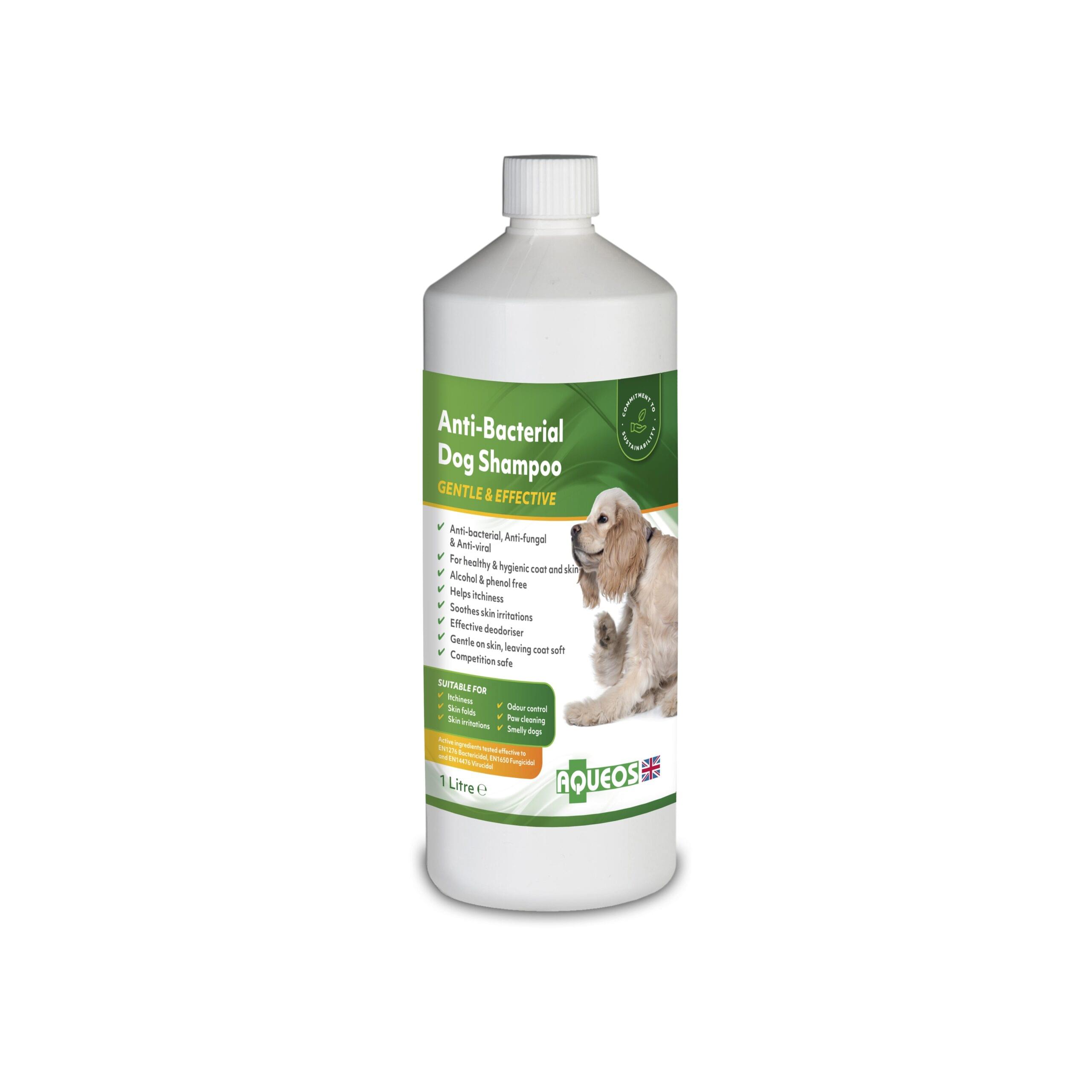
Sweet Itch: Most people look forward to spring and rejoice in the summer months. Not so if you own a horse with a sweet itch! Not only is this condition irritating and uncomfortable for your horse, but it is also a thankless task trying to control it on a daily basis. But for the welfare of your horse, it is essential that you do deal with it daily. The first part of the battle is understanding just what you are up against…. The sweet itch story Imagine being bitten by a midge and not being able to stop scratching the bite. Then imagine living out in a field where midges and flies gather around you at every opportunity, biting and gnawing you, irritating and itching you. That’s what living with sweet itchis like for an afflicted horse. Caused by an allergic reaction to the saliva of the Culicoides midge (and to a lesser extent, the black fly, horn fly and stablefly), it gives rise to a need to constantly scratch. Intense itching leads to an over-reaction of the immune system as it tries to correct its autoimmune response. Although it has several different technical names, including IBH (insect bite hypersensitivity), Queensland Itch, Equine Summer Itch and SSRDor Summer Seasonal Recurrent Dermatitis, it is thought, was named ‘sweet itch’ years ago due to its prevalence when the sugars in grass were higher. It’s thought that all things sweet make the condition worse, and hence the name stuck. Got the itch So, your horse is itching non-stop and seems worse early evening and morning. It’s likely he has rubbed it raw, causing bare patches of skin that are thick, sore and ulcerated. The mane, top of the tail and neck seem to be the areas affected the most – possibly because these are the places that horses find easiest to scratch. If all this seems familiar, it’s likely he’s suffering from sweet itch. Stop the itch. Sweet itch has no known cure, so the best possible option is preventing the midges from biting in the first place. The options below are all worth implementing, but bear in mind each horse reacts differently. · Fly rugs seem to be the most effective at keeping the little biters away, but they need to cover the whole head, neck, body and belly. · Try and keep susceptible horses away from areas where midges might gather – such as meadows, marshy land, and near rivers and bodies of water. Also, keep your horse in at dusk and dawn, when midges and flies seem to be out in force. · Make sure you keep your stable area scrupulously clean – dirty straw, puddles and anything rotting are mecca for midges, and they will be drawn to it like Winnie the Pooh to honey. · You can also investigate different types of insecticides and midge repellents, from homemade varieties to chemical formulations. Anecdotal evidence suggests they can have some effect, and herbal remedies will do your horse no harm. · An anti-itch shampoo can also work wonders. Shampooing several times a week with Aqueos can have a long-lasting effect, particularly as it continues to work for several days after application. · There have also been trials with a sweet itch pill – again, anecdotally it seems to have worked for some horses, but not others. Overall results have been positive, however. · Steroids have been used to suppress the immune system, but they come with the risk of increasing the prevalence of laminitis. Laminitis is much more dangerous than sweet itch, so bear that in mind when considering this option. · Keep horses in breezy areas or make your own wind in the stable with a fan – midgeshate wind! · You can also try an in-feed insect repellent and herbal mixtures, as well as adding garlic – it works for keeping vampires away, so why not midges? Young horses generally show no symptoms until they reach 4 years old, so if your youngster has suddenly developed the condition, it is because it has been laid dormant until this time. If you have a horse with a sweet itch, you have our sympathy. However, it would also be a shame to miss out on a great horse just because he has a sweet itch. Learning to manage it can give much respite and allow you and your horse to enjoy many years together. Aqueous products to try: – Anti-Bacterial Shampoo & First Aid Spray