


VIRUSES DON’T ONLY KILL HUMANS – EQUINE HERPESVIRUS BY ANDREA BUSFIELD
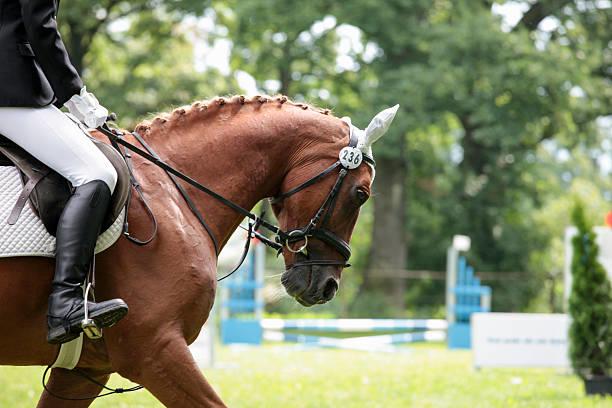
Equine Herpesvirus: Lessons from the Valencia Outbreak
I had never heard of equine herpesvirus (EHV) before February – and after the deaths of 18 horses, I hope I never hear of it again. The outbreak at a Spanish showground was swift and brutal, leaving many horses so weak that they had to be hoisted into slings just to stand. This tragedy not only claimed the lives of world-class competition horses but also served as a stark reminder of the importance of hygiene and disease prevention in equestrian settings.
What Happened in Valencia?
During an international horse jumping competition in Valencia, equine herpesvirus type 1 (EHV-1) spread rapidly. The consequences were devastating:
-
At least 18 horses died.
-
Several experienced abortions or required surgery for organ damage.
-
Horses were left so weak they could barely stand.
By the time authorities understood the severity, around 600 of the 750 competing horses had already returned home, spreading the potential risk. In response, the International Federation for Equestrian Sports (FEI) cancelled all European events, and the equestrian community effectively went into lockdown.
Why Was This Strain So Aggressive?
EHV-1 usually produces mild symptoms, but the Valencia outbreak caused severe neurological damage in up to 40% of affected horses, compared to the usual 15%. Symptoms included:
-
Intestinal blood clots requiring surgery
-
Swollen legs and instability
-
Unusually aggressive behaviour
Researchers are investigating several potential contributing factors:
-
Travel Stress – Horses travelling long distances experience a weakened immune system, making them more susceptible to infection.
-
Vaccination and Medications – Some mares had recently been vaccinated or given reproductive medications like altrenogest, which may affect immune function.
-
Neurological Susceptibility – A higher percentage of severe cases involved mares, suggesting biological factors may influence vulnerability.
Current Risk Levels in the UK
Thanks to strict protocols for returning horses, the EHV-1 risk in Britain has returned to near-normal levels. The FEI also provides guidance to help reduce the spread of the virus:
-
Vaccinate horses against EHV-1 and EHV-4 (though neurological protection is limited)
-
Monitor horses that have mixed with others, taking rectal temperatures twice daily
-
Implement strict hygiene measures in stables and during transportation
Hygiene Measures to Keep Horses Safe
Maintaining hygiene is critical to prevent virus transmission. Recommendations include:
-
Avoid sharing water buckets, feed bowls, tack, and grooming equipment
-
Wash hands thoroughly between handling different horses
-
Clean and disinfect vehicles used for transportation
-
Use specialised disinfectants for stables, tack, and equipment
How Aqueos Products Can Help
Aqueos offers a range of disinfectants and sanitising products designed to protect horses, humans, and premises from viruses and bacteria:
-
Wipes, sprays, and liquids for hands, tack, and stables
-
Disinfectant & Sanitising Fogger – emits a fine mist for 20 minutes to reach hard-to-access areas, killing bacteria, fungi, and viruses, including coronavirus
These products are suitable for:
-
Equine premises and transport vehicles
-
Veterinary practices and grooming salons
-
Kennels, offices, and other enclosed areas
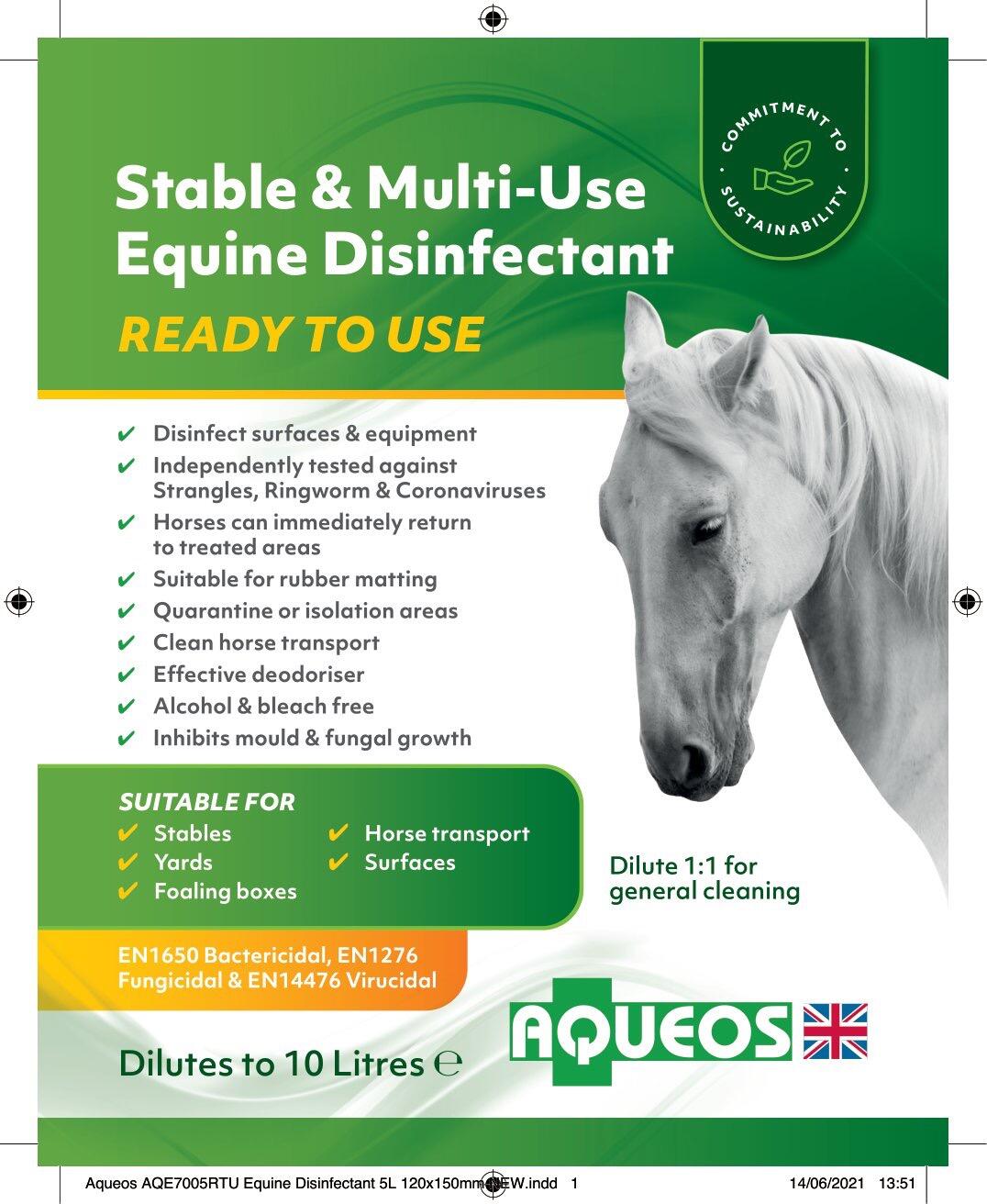
Browse Aqueos Stable and Multi-Use Equine Disinfectant
Key Takeaways from the Valencia Outbreak
-
EHV-1 can be deadly, especially the neurological form
-
Travel, vaccination, and reproductive medications may affect immune response
-
Hygiene and disease prevention are critical in all equestrian settings
-
Immediate veterinary care and isolation are essential if a horse shows signs of illness
Conclusion
The Valencia outbreak, along with the ongoing coronavirus pandemic, has reminded us that viral threats can strike unexpectedly. By following hygiene protocols, monitoring your horses carefully, and using trusted disinfectants like Aqueos products, you can reduce risks and keep your horses safe.