Free shipping with coupon code FREESHIP26

AQUEOS – 6 THINGS TO REGULARLY DO, TO KEEP YOUR PET WELL

6 Essential Hygiene Practices to Keep Your Dog Healthy
Taking a proactive approach to your dog’s hygiene can improve their overall health, and help to prevent problems from arising. This proactive approach to hygiene forms part of what we call ‘preventative care’, which means paying attention to your dog’s nutrition, exercise, preventative medicine, oral hygiene and grooming needs.
Here’s how to stay proactive with your dog’s hygiene
Brushing
Regular brushing keeps your dog’s fur looking tidy, but it also helps to maintain a healthy skin and coat. Keeping on top of grooming prevents their fur from becoming matted. Matts are painful for your dog, since they pull on the skin. They can also cause the skin underneath to become sore, inflamed, and even infected.
How often you need to brush your dog will depend on their coat length and type. Long or thick coated dogs will need grooming more frequently, with some even needing daily grooming! Make sure you choose a brush that is designed for your dog’s coat length and type.
Bathing
Bathing is sometimes essential (for example the labrador that has rolled in fox poo!), but it’s important not to overdo it. If you bathe your dog too frequently, you can strip the natural oils from their skin and coat.
As a general rule, you shouldn’t bathe your dog more often than every 4-6 weeks, unless for a medical reason. If your dog has a skin condition, your vet may advise you to bathe your dog more often, possibly with a medicated shampoo. On the flip side, some dogs rarely need bathing!
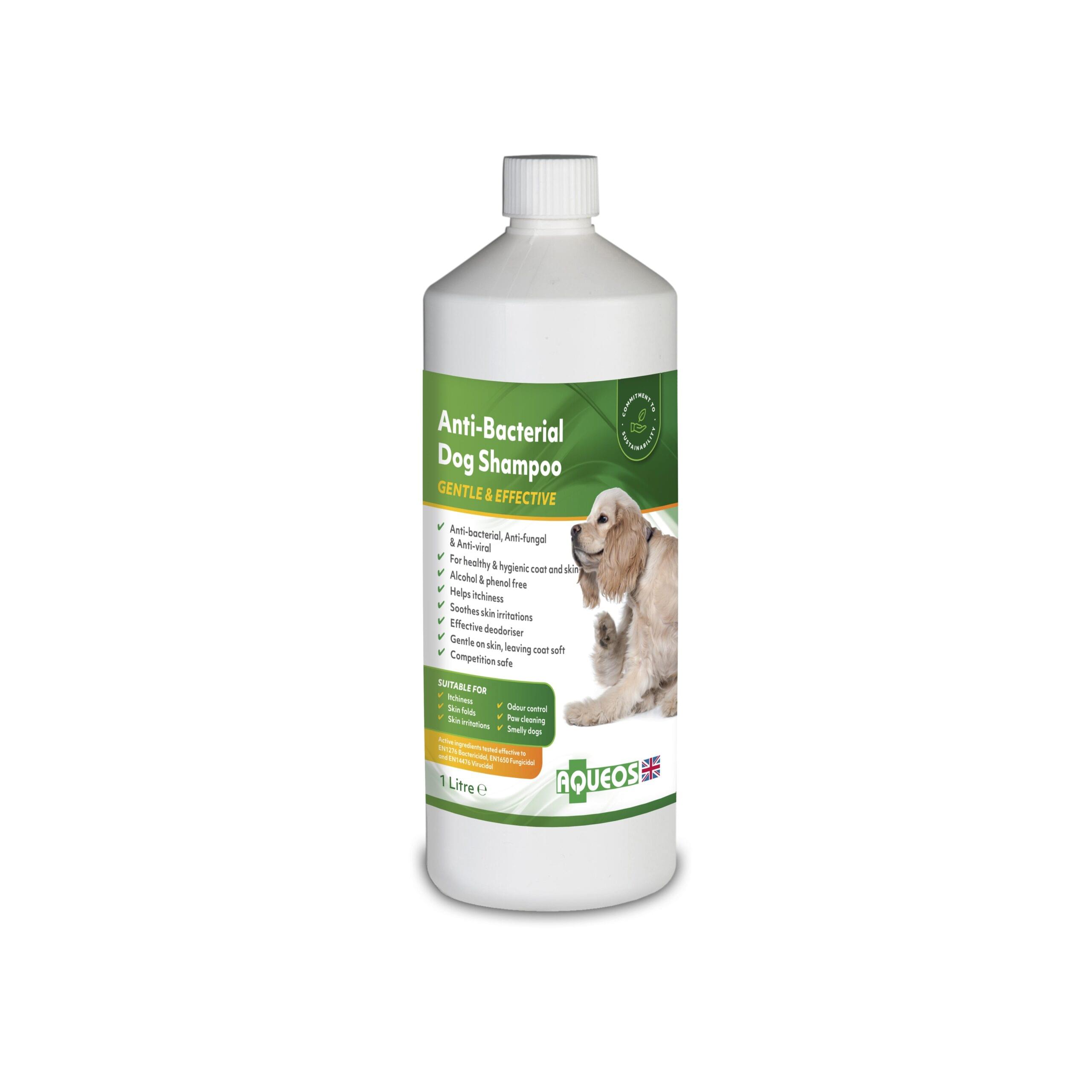
When bathing your dog, it’s important to use a shampoo specifically designed for dogs. Make sure you read the instructions well, and be sure to rinse their coat thoroughly afterwards. If your pet likes to roll in poo or other disgusting substances, it’s sensible to use a shampoo with antibacterial and antifungal properties!
If your pet gets mucky or smelly between baths, you could always use a dry (or no-rinse) shampoo for dogs. These can also be useful for those mucky eaters that tend to get food all over their faces!
Ear cleaning
While ear cleaning can be important, it’s also important not to overdo it. Excessively cleaning or plucking your dog’s ears can cause issues like inflammation, or even infection. If your dog’s ears are clean and healthy looking, they are best left alone!
If you see that your dog’s ears are looking waxy, you can clean them with a gentle dog ear cleaner. Squirt a small amount into the ear canal, massage the base of the canal, and then wipe away anything that comes out. Some ear cleaners may differ, so be sure to read the instructions. You should never push a cotton tip or anything else into the ear canal, as you will push the wax further in and cause more issues.
If you notice a waxy discharge from your dog’s ears and they are itching, shaking their head, or it smells, you should book them an appointment with your vet.
Dental hygiene
Dental health is a really important part of proactive dog hygiene. After all, you wouldn’t neglect to clean your own teeth! Ideally, you need to clean your dog’s teeth every day- to help prevent plaque, tartar and decay. Most dogs learn to tolerate (or even enjoy!) brushing. It’s important that you only use dog toothpaste, made specifically for dogs.
If your dog won’t allow you to brush their teeth, there are alternatives. You can buy powders to add to their food which help to prevent plaque, mouthwashes for dogs and specially designed chews. Chew toys which have grooves for you to pop some toothpaste in can help too.
Nail clipping
Regular nail trims are essential to prevent discomfort, ingrown nails and issues with gait. How often this needs doing will depend on your dog: how quickly their nails grow and their activity levels. For example, dogs who regularly walk on hard surfaces tend to need less frequent nail trims, since their nails naturally wear down.
When clipping your dog’s nails, it’s important to use dog nail clippers that are the right size for your dog, and are sharp. Be careful not to clip too close to the quick. This would both hurt your dog and cause the nail to bleed (quite dramatically!). If you are clipping your dog’s nails at home, it’s sensible to have something at hand to stop the bleeding, in case this happens. There are several products available designed for this purpose: try to choose one that doesn’t sting!
Unfortunately, if you do accidentally cut the quick, your dog may then refuse nail clips altogether (quite understandably!). So, if your dog has black quicks (making them harder to see) or you aren’t confident, it would be safer to book a nail clip with your groomer or vet nurse.
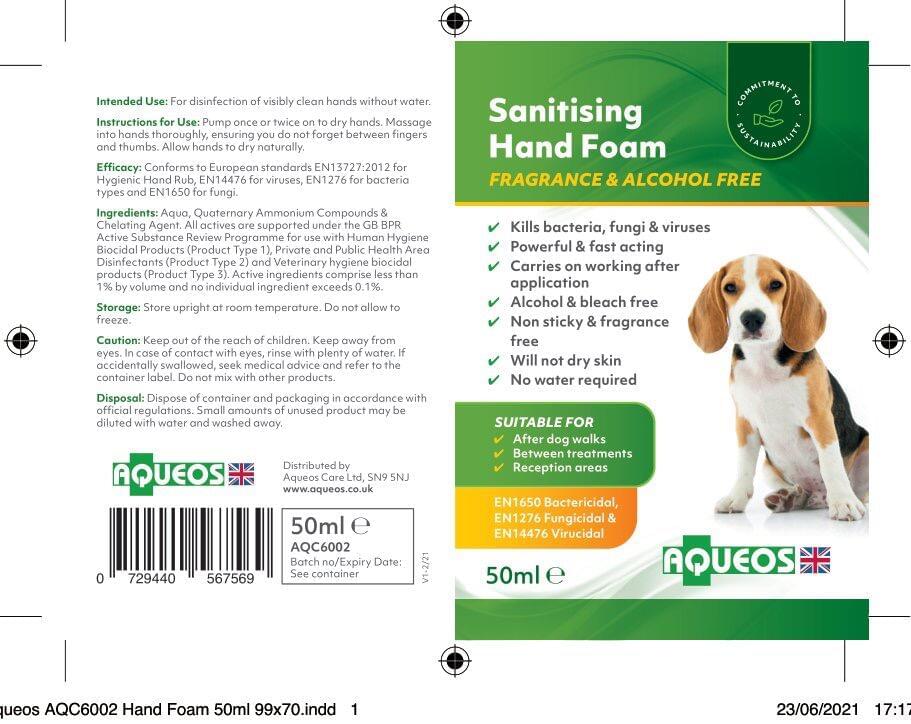
Browse Aqueos Hygiene Products
Bedding and environment
When considering hygiene, we mustn’t forget your dog’s environment! Keeping their environment hygienic protects them and your family too. Regular hoovering prevents hair build up in the home, and can also help to prevent flea infestations (alongside flea prevention).
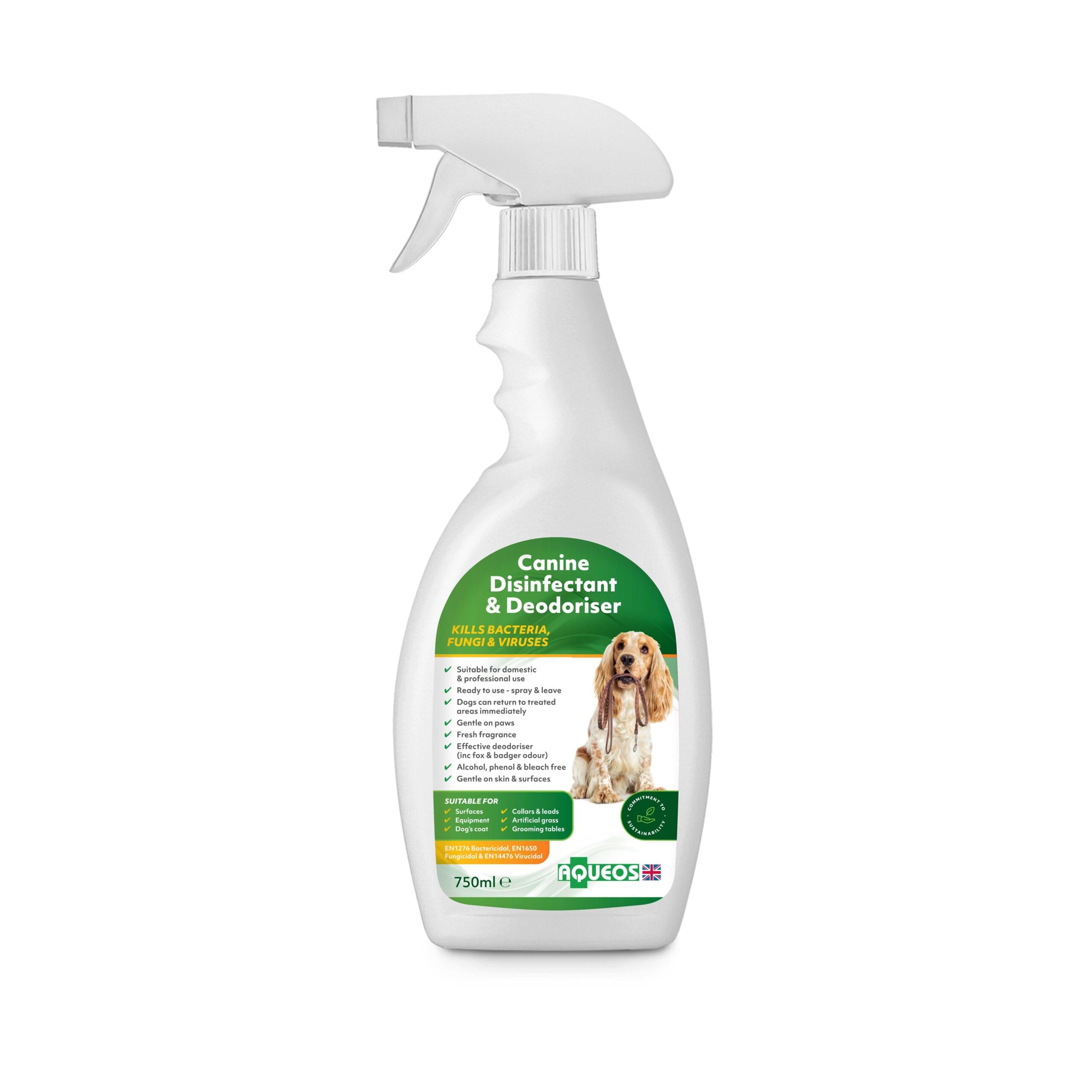
Bedding, floors, food bowls and water bowls need cleaning regularly; ideally weekly as a minimum. Don’t forget to clean their leads, collars and dog crates as needed too! Make sure you choose a disinfectant that is effective, safe for pets, and that you read the instructions carefully. Importantly, some products specify a timeframe after cleaning during which dogs aren’t allowed in contact with the surface. For peace of mind, there are products available which are safe for dogs immediately after application.
While some of these steps may seem like a chore, they can also provide a great opportunity for bonding, maintaining a routine and keeping an eye on their overall health. For example, you can use the time bathing or brushing them to give them a little check up. Can you feel any new lumps or bumps, or see any new rashes? If so, it’s time for a vet check!
Now you have some top tips for a proactive approach to your dog’s hygiene, health and wellbeing!
This article was written by Sarah-Jane Molier BVM&S BSc MRCVS