Free shipping with coupon code FREESHIP26


EQUINE HERPES VIRUS
Equine Herpes Virus – How you can protect your horse
We’ve all heard about equine influenza and strangles, but are you aware of another disease that is equally as contagious and can lead to abortion? Equine herpesvirus (EHV) is a condition not to be overlooked – take action now to understand more about EHV and take the necessary precautions to control it.
What is EHV?
Don’t underestimate EHV. Although not so well known as some of the other contagious equine diseases, this virus can become a serious problem if not contained and controlled. Be aware of the symptoms – fever, coughing, depression, going off feed, and nasal discharge; if you suspect a horse is infected, act quickly, particularly if you have pregnant mares in the yard, as it is a common cause of abortion. It can also lead to neurological issues, as well as respiratory problems.
How it’s spread
Equine herpes virus (EHV) is spread through touch (either directly or indirectly), via the air or by bodily fluids. All of this makes it a highly contagious disease, so the need to prevent the onset in the first place is crucial. However, if there is an outbreak in your areas, limiting the spread of the condition is vital to prevent a pandemic.
Prevention
To prevent an outbreak, all new horses arriving at any establishment should be isolated for 3-4 weeks. The incubation period from first exposure to showing symptoms can be anything from 2 to 10 days. Respiratory symptoms last anything from 1-7 days, and pregnant mares may abort 2-12 weeks after infection. If after 3-4 weeks there are no signs, the horse can then be introduced to other horses.
Vaccinate
Two types of vaccines exist for EHV, but they are not considered to be wholly effective. A vaccinated horse can still catch the disease, although the symptoms will be much less severe. If there is a known outbreak in your area, vaccinating may be a consideration to help lessen the effects of the disease. Speak to your vet about the options available and how appropriate vaccination is for your horse.
Management practices
However, it is also imperative that barrier nursing and good management practices are put in place, particularly in the case of an outbreak. The stages to follow are:
- Isolate the infected horse
- Barrier nurse the horse
- Preferably only one person should deal with the horse
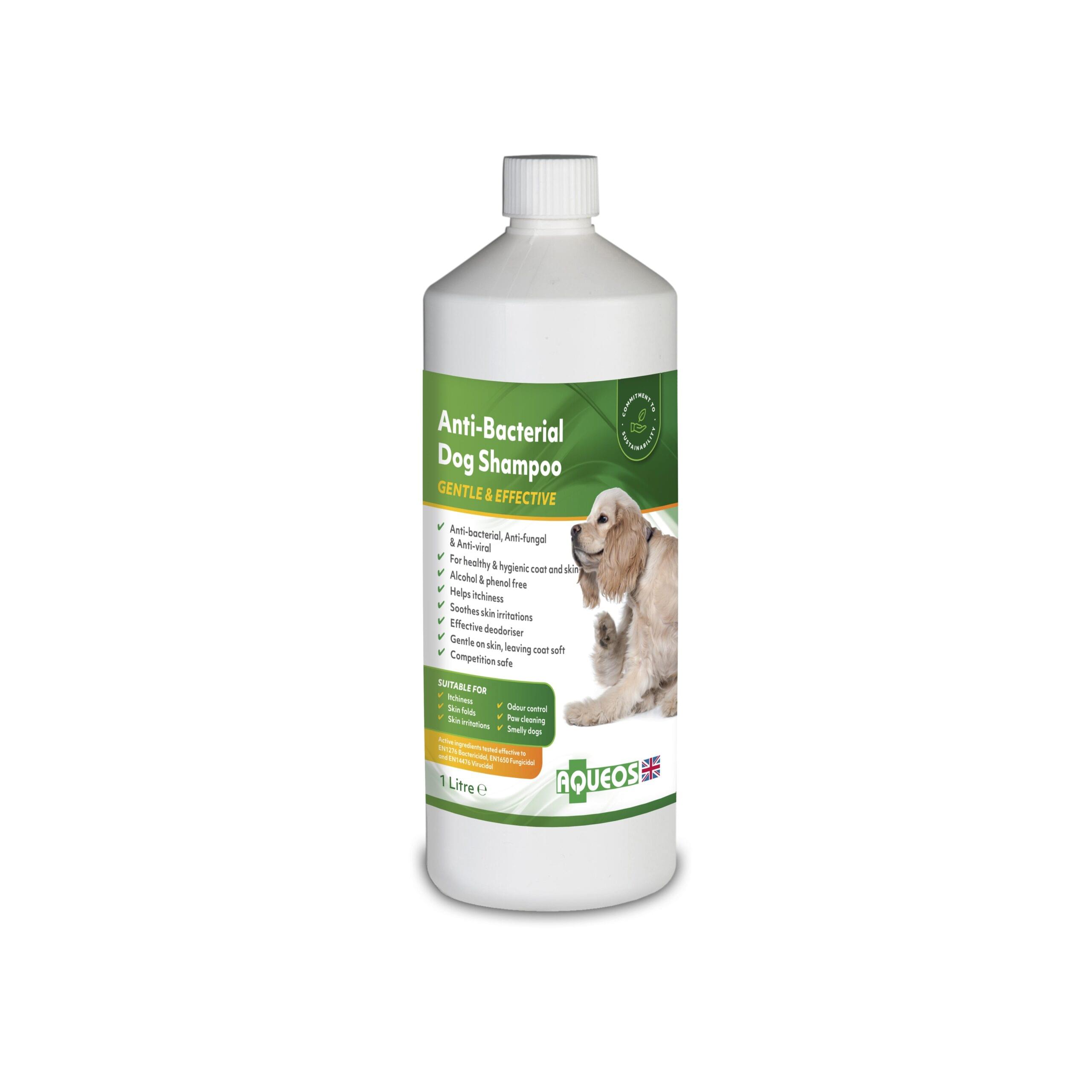
- Wash hands thoroughly before and after handling the horse, as well as using hand sanitiser
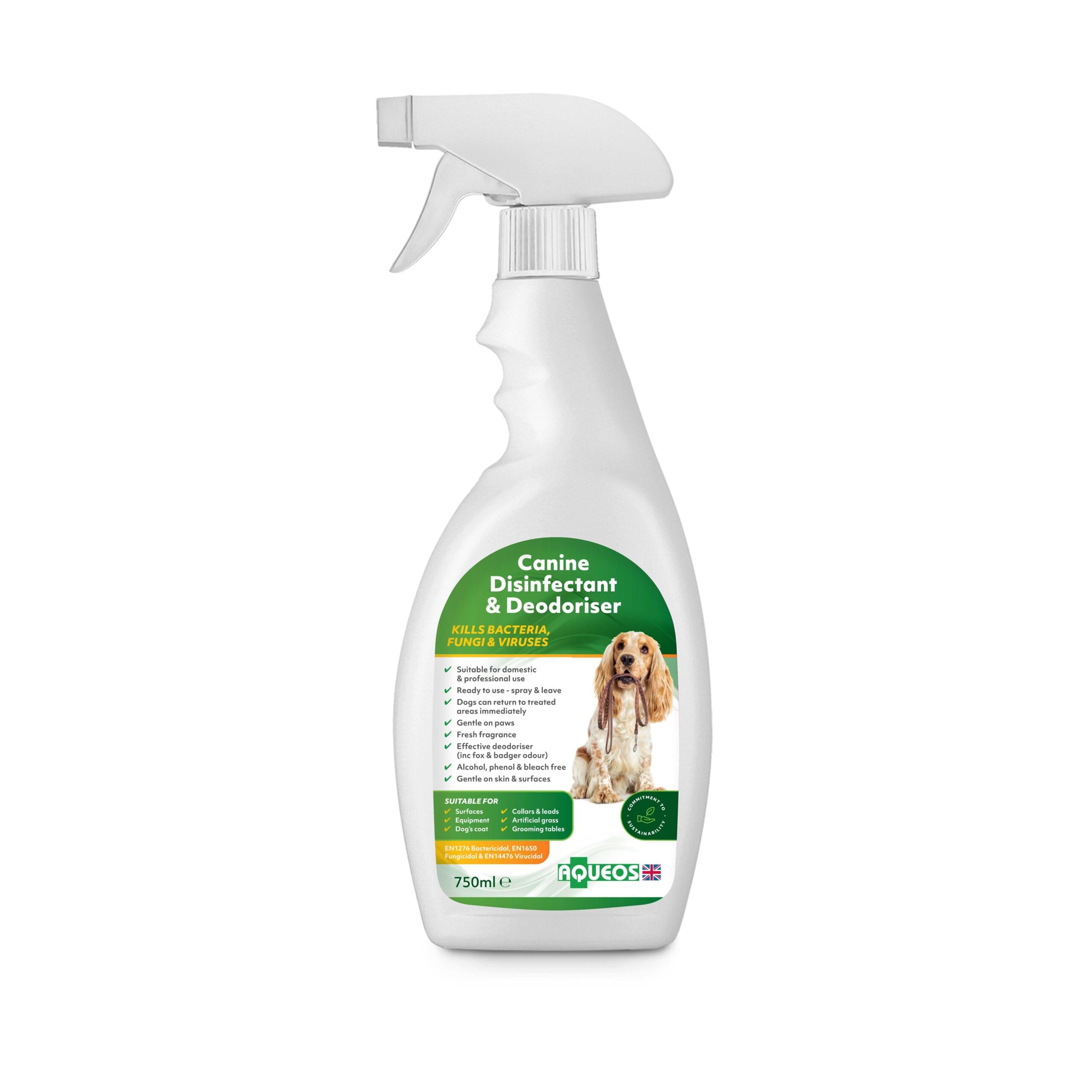
- Dip footwear in a foot bath of disinfectant
- Change clothes before working with other horses
- Do not share stable equipment, and make sure everything is disinfected
- After the horse has recovered, quarantine the stable for three weeks or more
- Remove all bedding, and if possible, burn it
- Wash and disinfect all rugs, buckets, brushes, head collars, and anything else that has been used on the horse
This infects the whole stable, including walls and ceilings, doors, pathways and any other surface the horse may have come into contact with – this is crucial, as the virus can live in the environment for several weeks. However, it is killed by a good disinfectant