Free shipping with coupon code FREESHIP26


THE LOWDOWN ON ALABAMA ROT
The Lowdown on Alabama Rot
You may not yet be very aware of Alabama Rot, but if you own a dog, it’s a disease you need to learn about – just in case the worst happens and your dog succumbs to this unpleasant condition. With cases on the increase in the UK in the last few years, it pays to be vigilant.
What is Alabama Rot?
Otherwise known as idiopathic cutaneous and renal glomerular vasculopathy or CRGV (yes, we agree – Alabama Rot is a much easier name to remember!), it’s thought it could be caused by a rare strain of E. coli. It’s named after the area in the US where it was first identified in the 1980s. Rotrather dramatically describes what happens to a dog that contracts the disease, as their skin rots and festers, leading eventually to loss of appetite, tiredness, vomiting and kidney failure.
The worst scenario – if a dog does not get the urgent treatment necessary, he will sink into a deep fever and eventually die. Skin lesions – small round ulcerated sores, often seen on the lower leg below the knee and elbow – are usually present about 2-7 days before kidney failure sets in, hence the need for immediate treatment.
How is it contracted?
No dog is immune; it can attack any dog, any breed, any age, weight and condition. It’s thought the disease is picked up onto paws and legs during muddy walks, which is why the lesions start in this area. In the four or five years that it has been in the UK, cases have been much more common in the winter and spring, when the weather tends to be much wetter and muddier than at other times of year. There could be an environmental factor, but this has not been confirmed. In fact, the real cause is not yet understood, although experts suspect it is related to E. coli.
Preventing CRGV
Without knowing the exact cause, it is difficult to make recommendations on how to prevent the disease. However, there are some simple actions recommended by experts you can take that may help to prevent your dog from contracting this life-threatening condition.
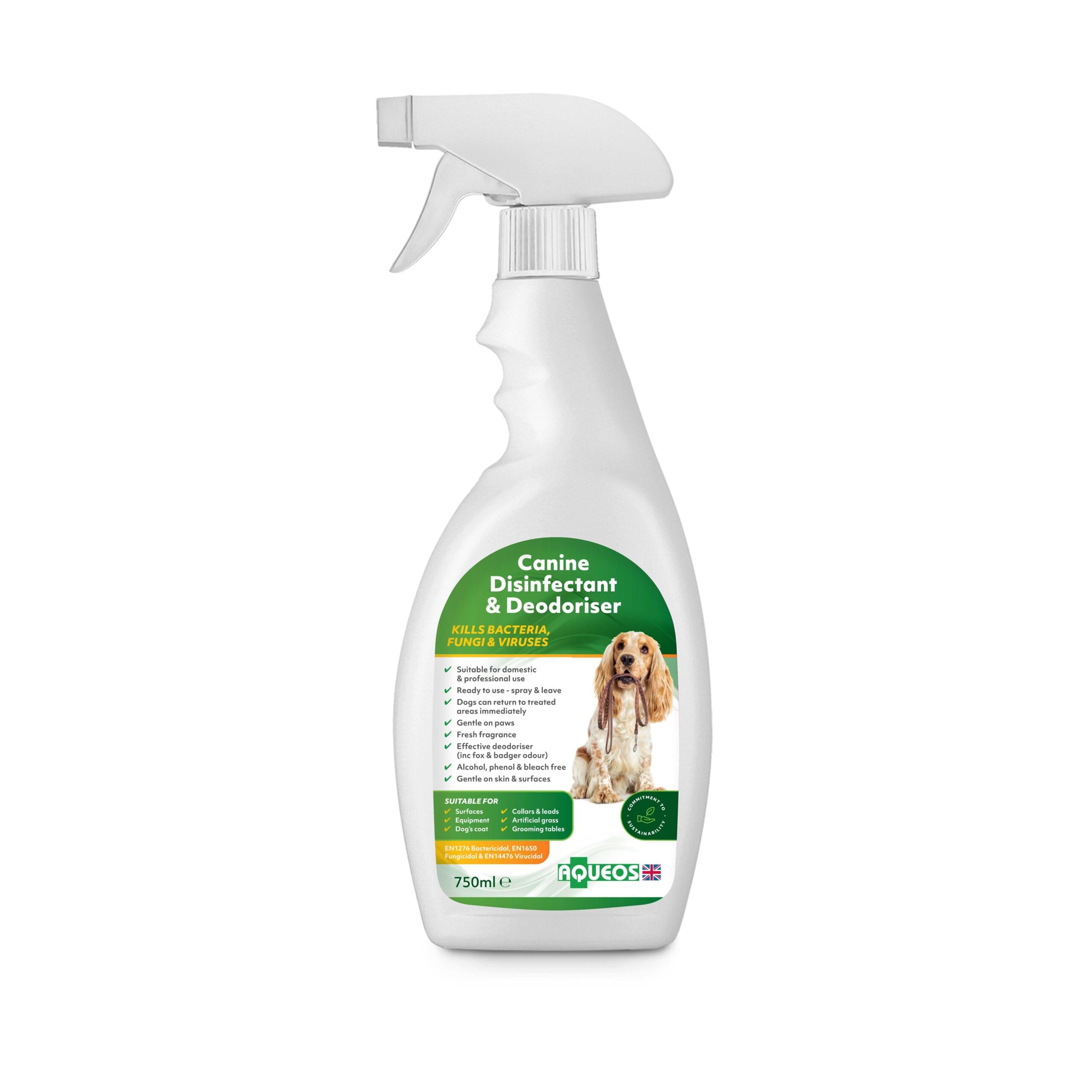
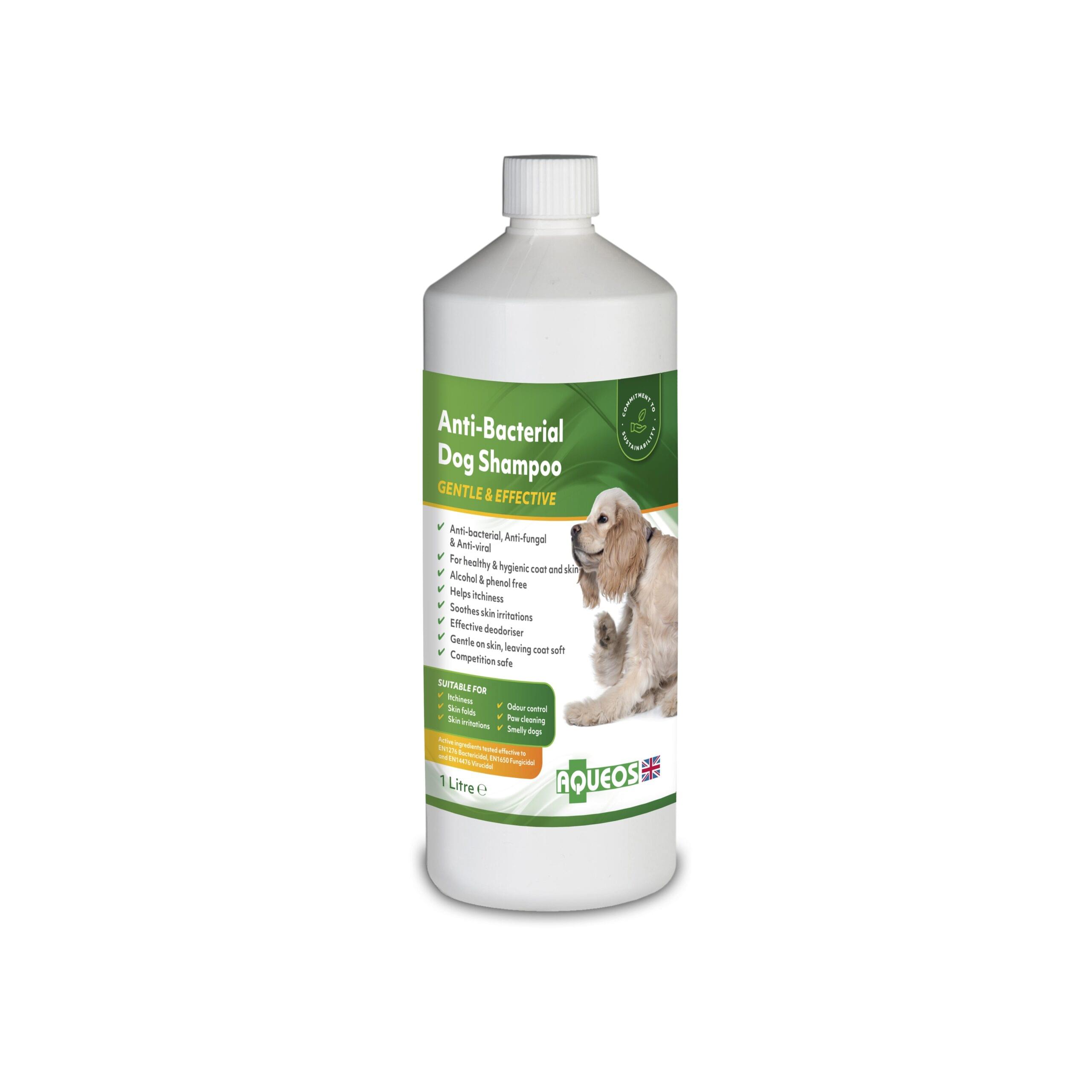
A sensible precaution that could help is to bathe or wash your dog on return from wet or muddy walks using a suitable disinfectant shampoo, spray or wipes.
Should you be worried?
If your dog has a skin lesion, it does not necessarily mean it has Alabama Rot, but it is worth having him checked out by the vet. If there is a problem, the sooner he is seen, the better the outcome will be. Cases have been identified in various areas across the UK and could be seen anywhere in Great Britain, so just by being aware and by regular washing of your dog, you will be doing your bit to help, wherever you live. After all, your dog is an important part of your family – he deserves your vigilance and care.