Free shipping with coupon code FREESHIP26


MUD FEVER & RAIN SCALD
Rain Scald & Mud Fever
As we get deeper into autumn, the ever-present threat of rain scald and mud fever becomes a reality for many. Mud fever tends to flare up when the weather is at its worst, to add to the workload that shorter days and winter weather bring to horse owners’ lives.
Some horses seem more prone than others, and it seems to be common on white-haired or feathered horses.
If conditions are such that skin starts to soften or break, such as standing in wet conditions, or if skin is often irritated or rubbed, horses become much more susceptible. Dirty brushing, boots, allergies, insect bites and rubs are all factors. Look out as well for primary skin infections such as ringworm or sweet itch, as breakages in the skin can allow a secondary infection in. In these cases, the initial cause must be treated; otherwise, the problem will keep reoccurring.
In these types of situations, infection can enter under the skin through the cracks, which leads to the telltale scabby condition known as mud fever. Common bacteria that can cause this condition include Dermatophilus congolensis and Staphylococcus spp.
Mud fever is usually easy to spot, consisting of irritated and sometimes very painful and infected sores. The coat often has a raised, un-groomed appearance, caused by the formation of crusty scabs that then ooze. In particularly bad cases big cracks can appear at the back of the pastern. If it happens on the back or neck, it is known as ‘rain scald’.
Treatment will depend on the severity and the cause. The initial cause must always be sorted first to prevent relapses. Often, if environmental issues are to blame, the horse has to be moved from that environment, which generally means stabling. If not badly lame, walking out followed by regular exercise will stop any swelling occurring.
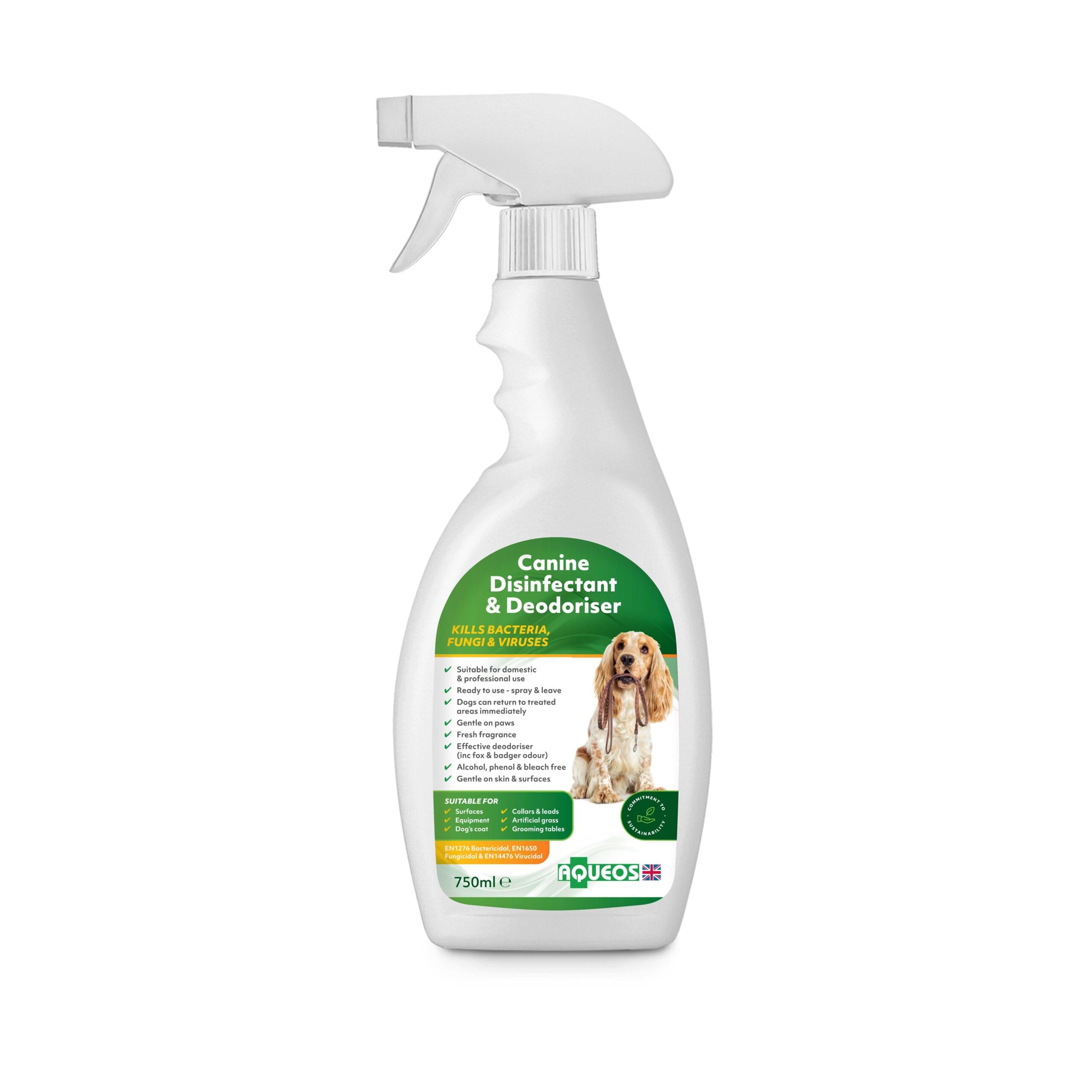
The scabs will next need to be treated. Trim away any excess hair and wash with a quality antiseptic or disinfectant, such as Aqueos. The aim is to remove as many scabs as possible, and the wash should soften this process. However, it can be very painful, so take care with this step.
It is important to keep the wound as dry as possible – remember, if the skin is damp and soft, infection can invade. Dry it really gently, avoiding rubbing (which will hurt!).
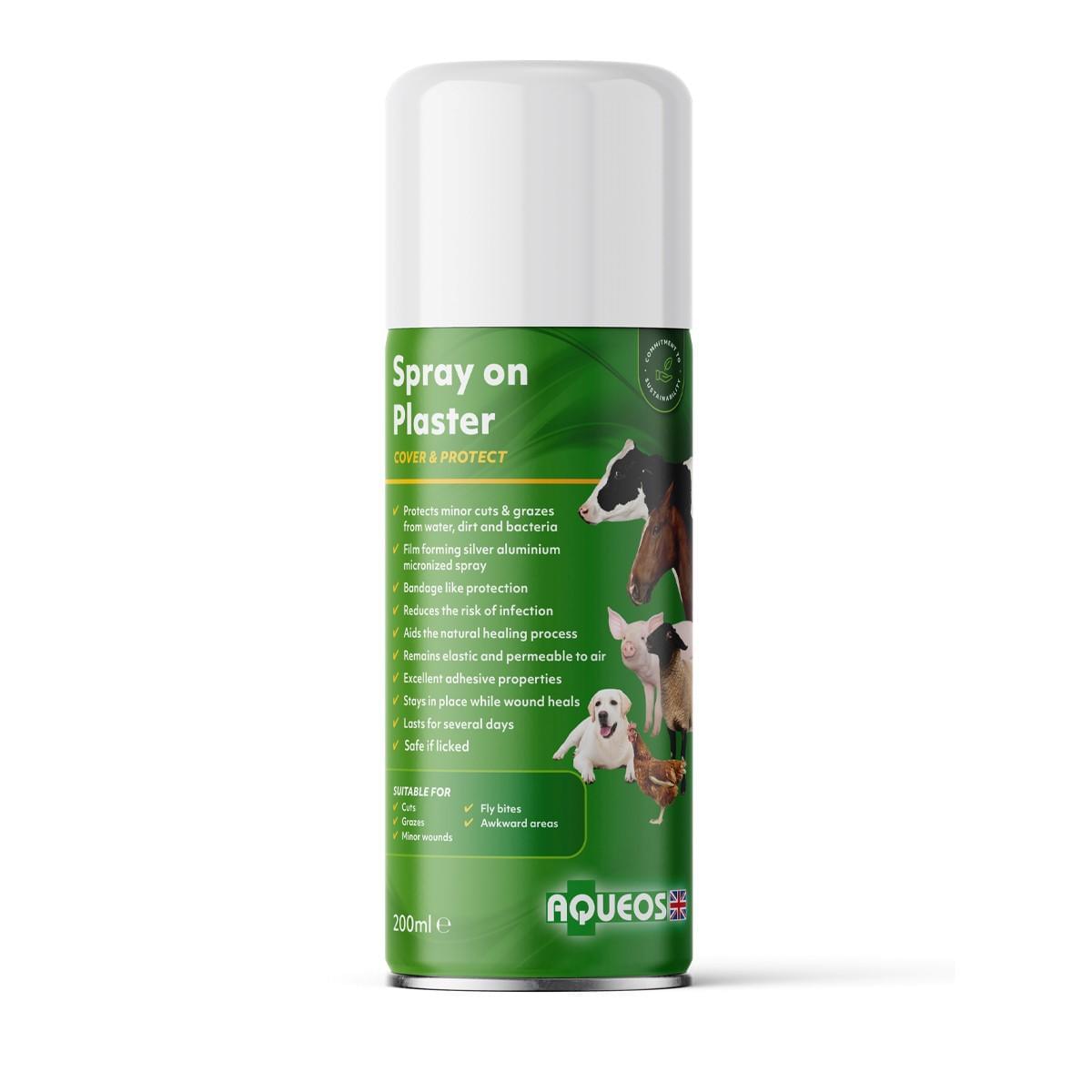
Applying a topical cream with antiseptic and/or antibiotics helps to soothe and keep the infection at bay. Treat it as an open wound and cover with a dressing to begin with, to keep it clean and infection-free.
It’s a good idea, though, to allow the air to get to the wound for an hour or so, to help it breathe and heal. Make sure if you are doing this that the area the horse is standing in is clean and empty. Keep treating the area accordingly until the wound starts to heal. Severe infection may need a course of antibiotics and pain-killing drugs.
Prevention is easier than cure. Some people swear by using a barrier cream – such as Vaseline – but the leg must be very clean and dry; otherwise, you may be trapping infection beneath the barrier cream. Although difficult in winter, keep the horse away from muddy wet conditions. Boots and bandages are sometimes used during turnout to protect from mud, but if mud squeezes beneath them, it can make the situation worse.
Keep the legs as dry as possible.
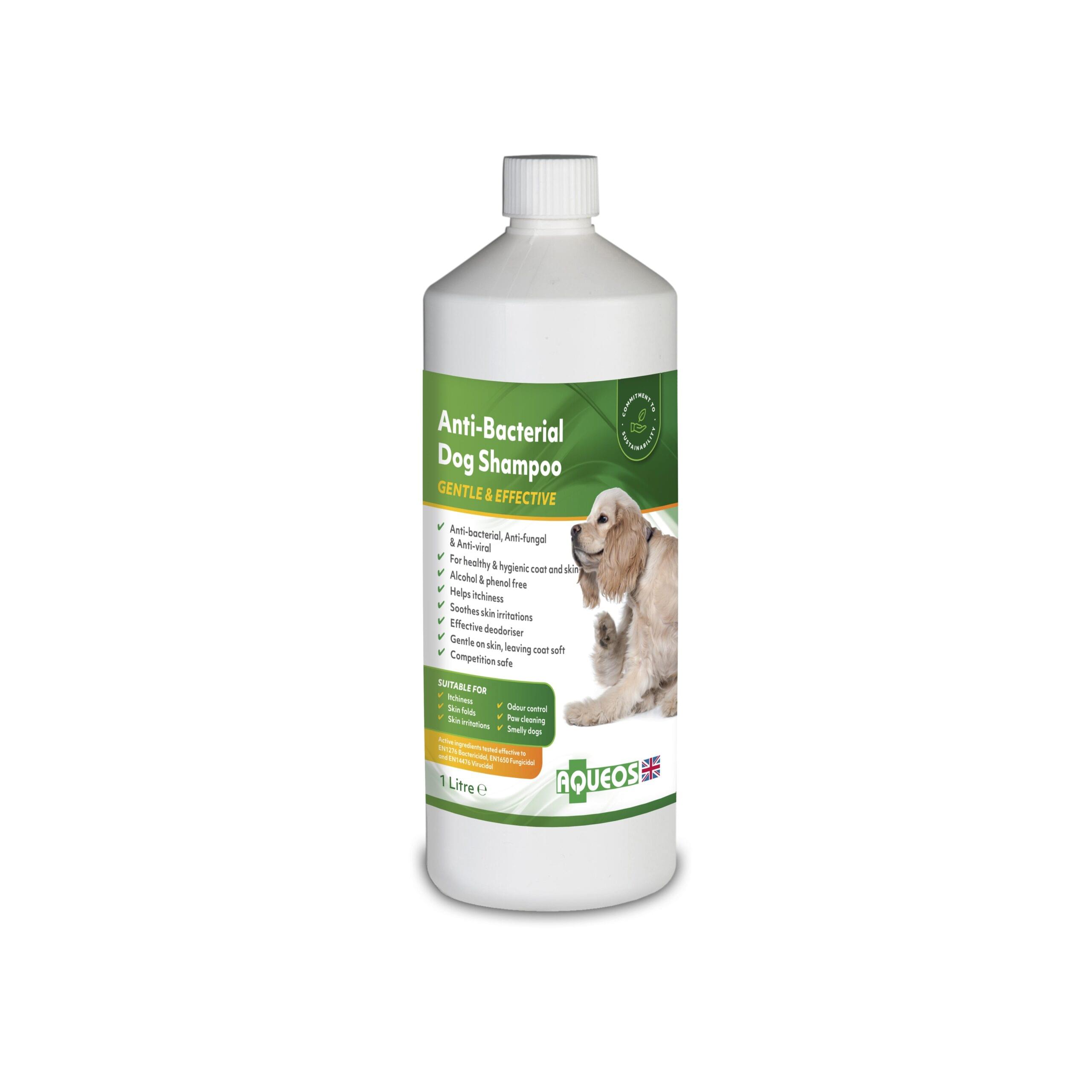
If hosing down, with a shampoo like Aqueo, ensure legs are dried well.