GET 20% OFF WITH COUPON CODE EARLYBF20

Dog First Aid Basics: Ticks, Eye Problems and When to Call a Vet

First aid for dogs means taking safe immediate steps while deciding whether veterinary help is needed. It can include keeping the dog calm, checking breathing and bleeding, removing obvious hazards, using clean supplies and calling a vet when symptoms are serious, unclear or worsening. Understanding first aid for dogs is crucial for every dog owner.
| Issue | Immediate action |
| Tick | Remove carefully and monitor the area. |
| Eye problem | Avoid home products and call a vet. |
| Serious injury | Keep calm and seek emergency advice. |
Dog Tick Bite Treatment and First Aid Checks
People searching for dog tick bite treatment often want to know what to do straight away. Explain that ticks should be removed carefully with the right tool, the area should be checked, and the dog should be monitored for swelling, redness or signs of illness. When learning about first aid for dogs, it is important to remember the basics before any emergency occurs.
Dog Eye Problems That Need Veterinary Advice
Dog eye problems can include redness, discharge, squinting, cloudiness, rubbing, swelling or sudden changes in vision. Eye issues can worsen quickly, so the guidance should tell owners to contact a vet rather than trying home products near the eye. Always keep in mind that proper first aid for dogs can save your pet’s life in critical situations.
Dog Hygiene After First Aid Situations
Basic dog hygiene matters after muddy walks, small messes, grooming accidents or tick checks. Keep the wording simple: clean the environment, wash bedding when needed and keep supplies ready for routine care.
Related Dog Health and Care Guides
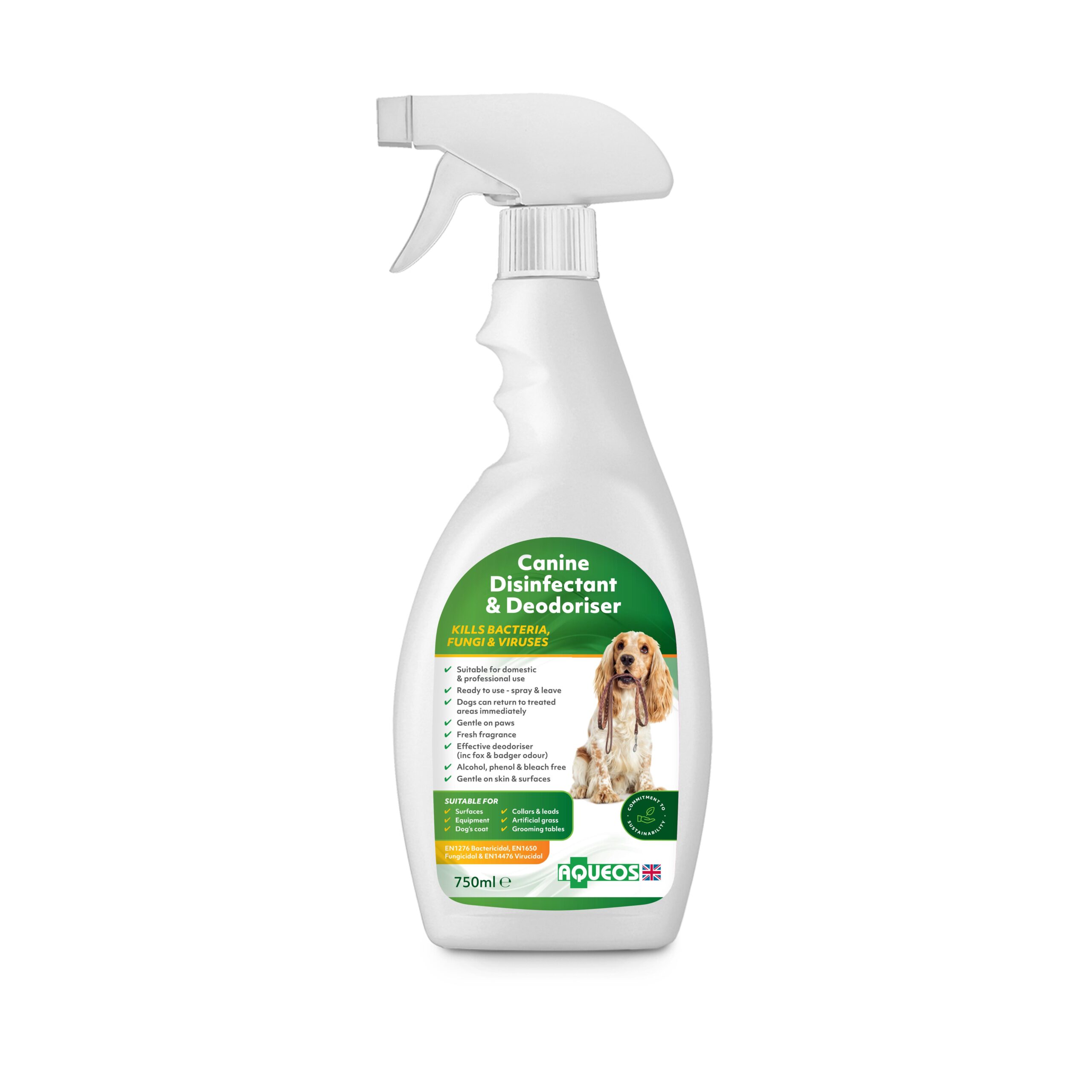
For grooming irritation rather than an urgent health concern, link to the dog grooming aftercare guide. For cleaning bedding, crates or pet spaces after minor incidents, the pet-safe disinfectant guide is the most relevant commercial support page.
Useful Dog First Aid Reference
For further guidance on responding to injuries and emergencies, refer to the RSPCA’s dog first-aid advice. This authoritative resource supports the article’s safety-focused approach and provides practical guidance on appropriate first-aid care. For effective management of emergencies, refer to comprehensive first aid for dogs resources.
First Aid for Dogs FAQs
What should be in a dog first aid kit?
A dog first aid kit should include basic supplies such as clean dressings, gloves, a tick remover, sterile cleaning supplies, your vet’s contact details and any items specifically recommended for your dog. The contents should support immediate care while waiting for veterinary advice.
When should I call a vet?
Contact a vet immediately if your dog has breathing difficulties, heavy bleeding, collapse, severe pain, possible poisoning, a serious eye injury or symptoms that are getting worse. If you are unsure whether a situation is urgent, seek veterinary advice. Knowing when to perform first aid for dogs can make a significant difference in outcomes.
Can I treat dog eye problems at home?
No. Dog eye problems should be assessed carefully because some conditions can worsen quickly. Contact a vet if your dog has redness, discharge, squinting, swelling, pain or changes in vision.
What should I do if my dog has a minor injury?
For a minor injury, keep your dog calm, check the affected area, clean it only with suitable supplies and monitor for changes. Contact a vet if the injury worsens, becomes painful or does not improve.
Can I give my dog human medicine for first aid?
No. Do not give your dog human medicines unless specifically advised by a vet, as some medications can be harmful to dogs. Remember, first aid for dogs is different from human first aid, and you should always consult a vet when in doubt.